What Are The Grampians Called Now? Gariwerd And Cultural Tours
The Grampians are officially Grampians (Gariwerd) National Park. What the name means, who the Traditional Owners are, and what cultural options actually exist for visitors right now.
The official name today is Grampians (Gariwerd) National Park. Parks Victoria uses this dual name on every official page, pairing the colonial-era name with Gariwerd, the Traditional Owners' name for the place. The peoples Parks Victoria names on its site are the Jardwadjali and Djab Wurrung, represented by the Barengi Gadjin, Eastern Maar and Gunditj Mirring Aboriginal corporations. Neither name has replaced the other: both stand together, and using both is the respectful default. Respect for the place also means planning a safe visit, and the guide to hiking Grampians (Gariwerd) in summer heat explains fire danger closures, Total Fire Ban rules and where mobile coverage drops out.
The dual naming matters more than a footnote. When a government park agency puts a Traditional Owner name in the official title of a park, it is making a statement about whose country the place is and whose ongoing connection is being recognised. Visitors see this on signage, on the Parks Victoria website and in the way tour operators increasingly talk about the region. If you have read older guidebooks that call the range simply "the Grampians", the change can be confusing, and some maps and businesses still use the short form. Nothing is wrong with either word on its own in everyday use, but the full official name, Grampians (Gariwerd) National Park, is the one Parks Victoria publishes, and it is the framing this site follows.
Gariwerd is not a translation of "Grampians". The word "Grampians" was brought from Scotland by an early colonial surveyor, naming the sandstone range after a Scottish mountain region. Gariwerd is far older, belonging to the languages of the peoples who have lived in and cared for this country for thousands of years, and it names the place on its own terms rather than borrowing a name from elsewhere. Parks Victoria notes that the park holds "the largest number of significant and ancient Aboriginal rock art paintings and shelters in southern Australia", which is the clearest single reason the Traditional Owner name carries such weight here. This is not just scenery with an alternative label. It is one of the most significant cultural landscapes in the southern half of the continent.
For travellers, the practical question behind the name is usually about respect and access: how should you talk about the place, and what can you actually see or learn of its Aboriginal heritage on a visit? Those two questions have very different answers right now, and the rest of this article takes them in turn. The short version is that the name is easy to get right, while cultural access is narrower than many visitors expect, partly because the main cultural facility in Halls Gap is closed for upgrade works. Understanding both before you book anything saves disappointment.
Who Are The Jardwadjali And Djab Wurrung Peoples?
The Jardwadjali and Djab Wurrung are the Aboriginal peoples Parks Victoria names as the Traditional Owners of Gariwerd. Their interests are represented today by three Aboriginal corporations, Barengi Gadjin, Eastern Maar and Gunditj Mirring, which form the Strategic Partnership Committee that works with the park agency on how the park is managed. This is the official structure behind every cultural statement the park publishes.
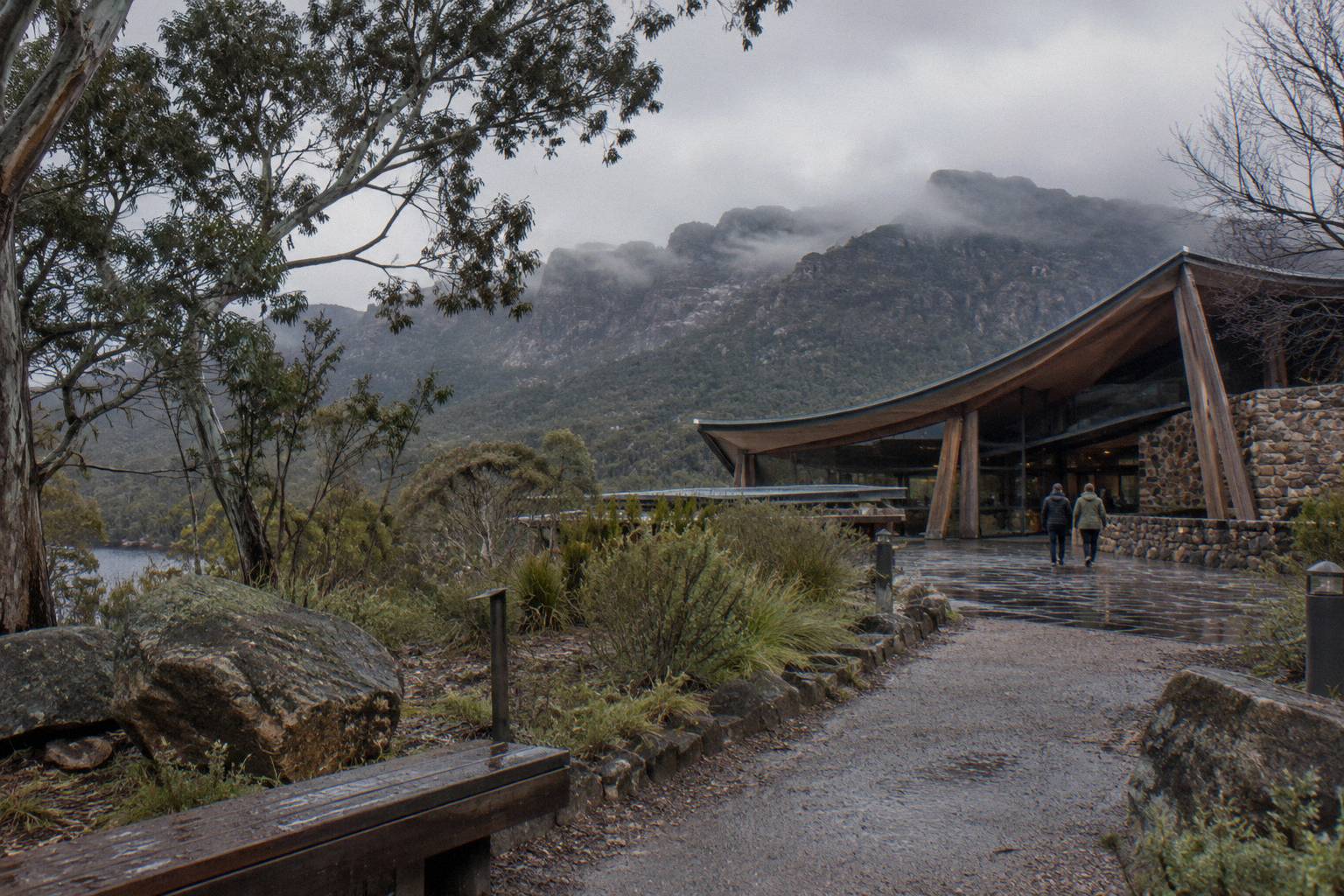
That structure is worth understanding because it explains much of what visitors see and do not see. The park's cultural heritage is managed under partnerships with the Traditional Owner corporations, and access decisions, including which rock art shelters can be visited and in what form, flow from that relationship. Parks Victoria's framing is the source this site uses for all of it: the park holds the largest concentration of significant and ancient Aboriginal rock art paintings and shelters in southern Australia, and the Jardwadjali and Djab Wurrung peoples are named on the agency's own pages as the peoples of Gariwerd. Beyond those published statements, this article does not add directions, site names or access advice for any rock art location, because none of that is this site's to give.
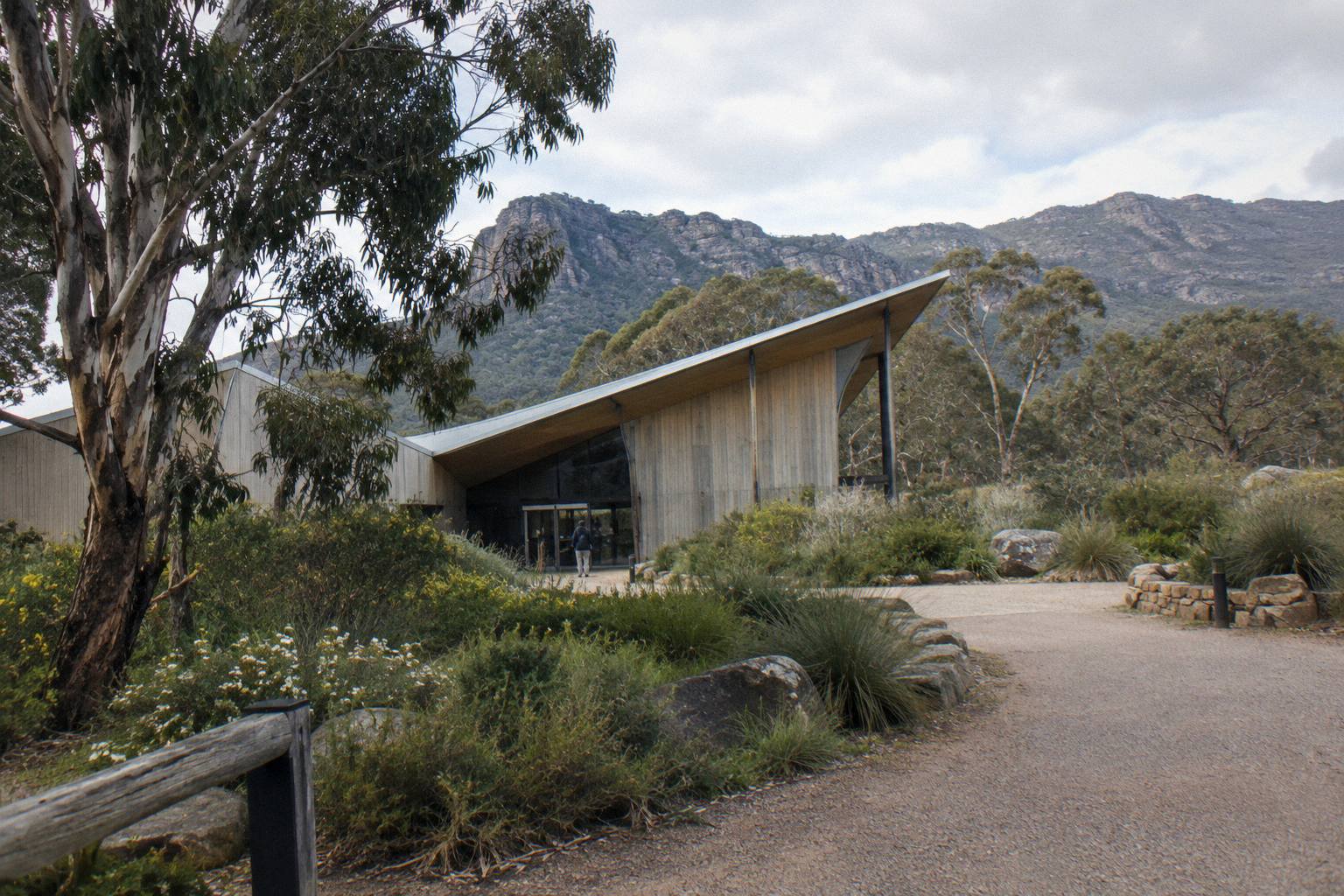
The connection between people and place here runs far deeper than the tourism layer. Gariwerd's rock art, shelters and landscape features are part of a living cultural tradition, and the corporations that represent the Traditional Owners are engaged in how the park presents that tradition to the public. The Brambuk Cultural Centre in Halls Gap, discussed in detail below, was built in 1989 and opened in 1990 specifically for the Jardwadjali and Djab Wurrung peoples, as a place where their stories could be told on their own terms. That history is worth knowing, because the building's current closure is a pause in a much longer story of cultural presentation in the park, not the whole of it.
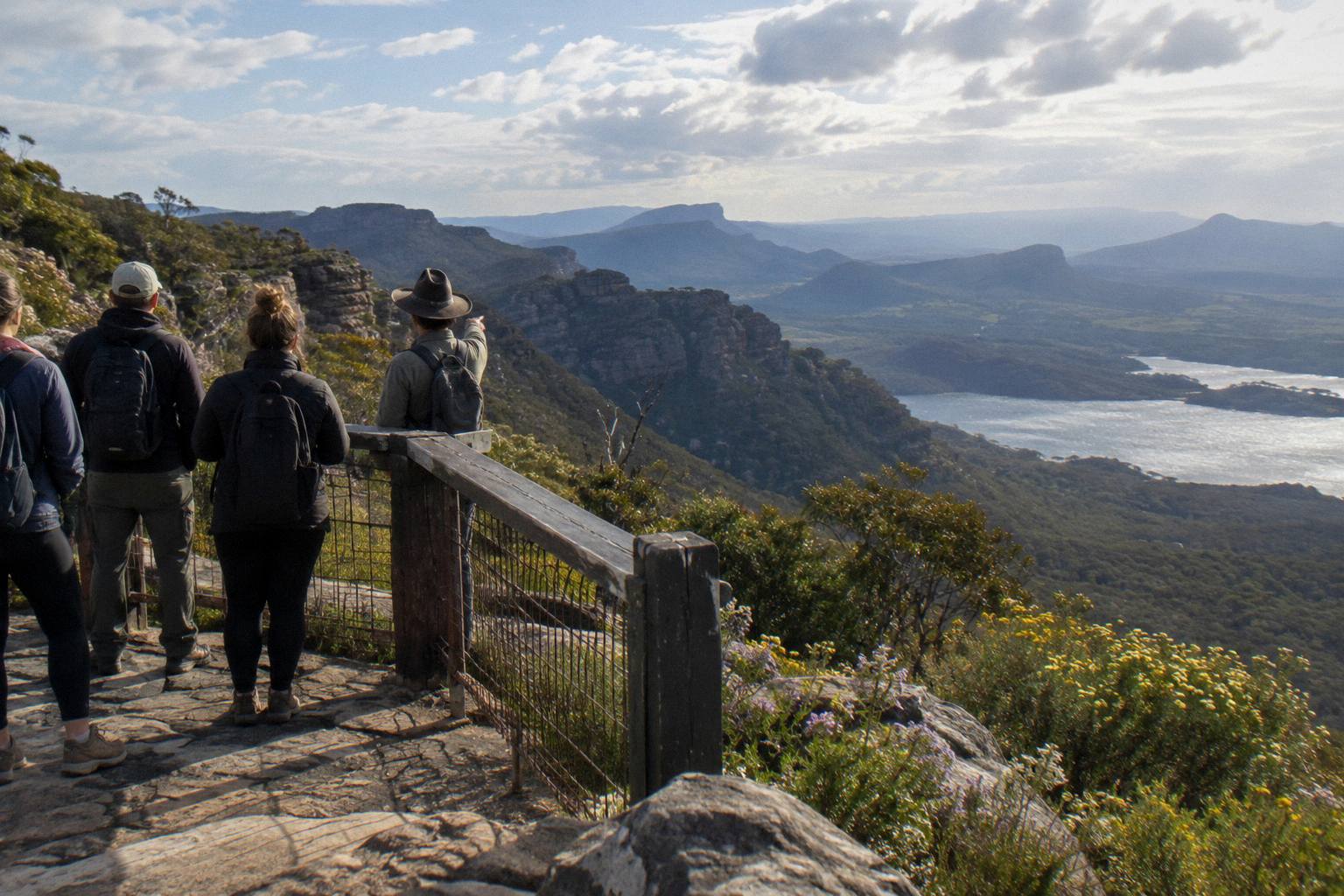
A visitor does not need to book anything special to be on Jardwadjali and Djab Wurrung country. Every lookout, every walking track and every guided tour in the park happens within that cultural landscape. What changes from product to product is how much of that context a guide shares, and that varies by operator and by guide on the day. The position, from the tour information this site works from, is that no tour listing here advertises a cultural experience or a rock art visit as part of its itinerary. Tours travel through the park and guides may speak to its history, but a listed, guaranteed cultural component does not exist in this set of products.
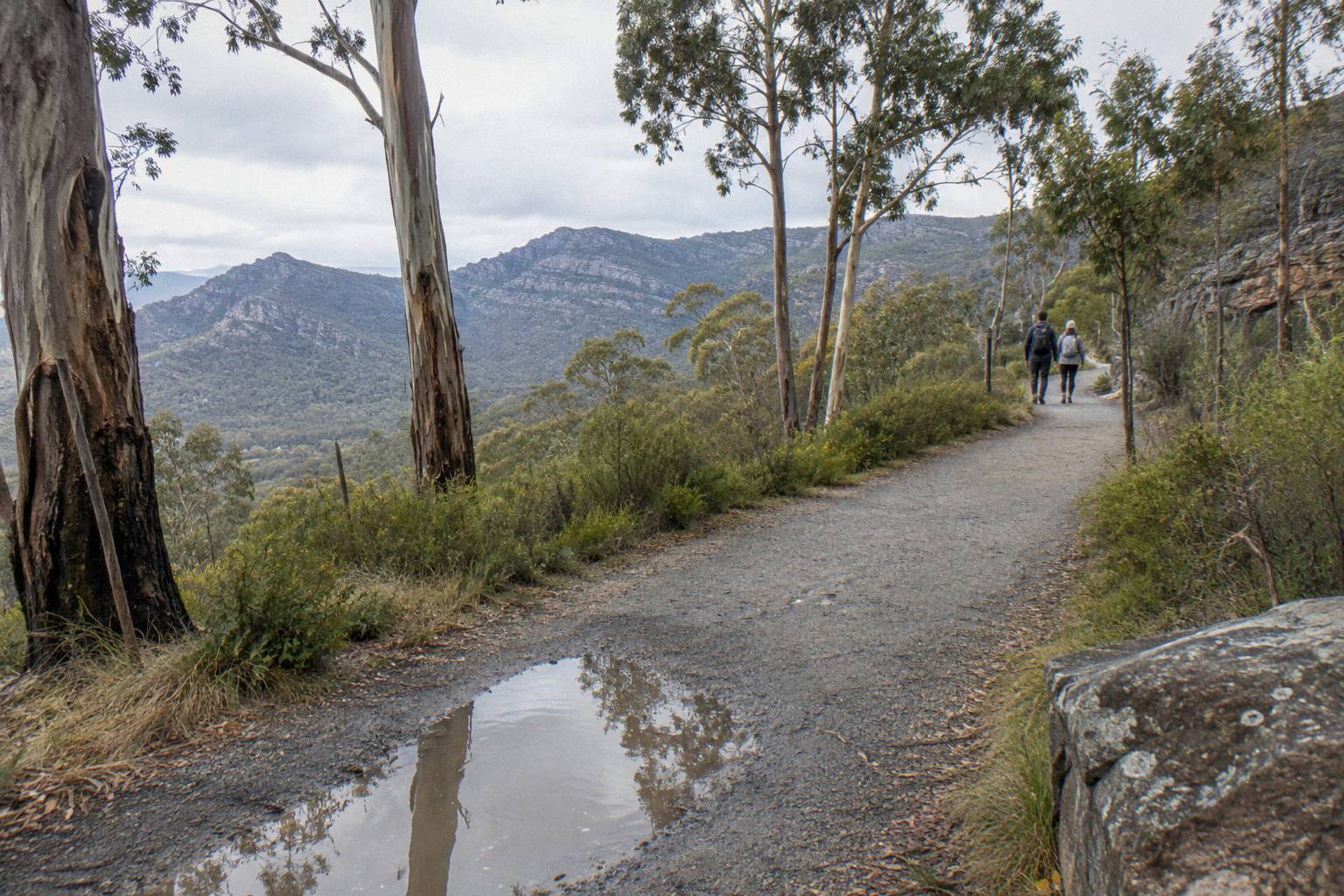
If hearing the cultural context of Gariwerd from a guide matters to you, the practical move is to ask before booking: message the operator and ask how their guides present the park's Aboriginal heritage. Operators answer that question directly, and it tells you more than any generic itinerary text. For a sense of which operators run which kinds of days, the guide to Grampians small group tours breaks down group sizes, meeting points and durations across the options, and the overview of tours in the Grampians covers the full spread from Melbourne.
Should a small-group day in the park appeal while you weigh the cultural question, this hiking and wildlife escape is the related pick: it runs 12 hours 30 minutes, takes a maximum of 23 passengers, requires a minimum age of 6, and carries a 4.9 rating from 200 reviews.
Can You Visit Aboriginal Rock Art Sites In The Grampians?
This site publishes no directions, site names or access advice for any rock art site, because Parks Victoria is the authority on which sites can be visited and under what conditions. The park holds the largest number of significant and ancient Aboriginal rock art paintings and shelters in southern Australia, per Parks Victoria, but that heritage is managed with the Traditional Owner corporations and access changes. Check Parks Victoria before planning any visit around rock art.
That may read as a thin answer, and in a way it is the point. Rock art in Gariwerd is fragile, culturally sensitive and managed under agreements with the Traditional Owners, and casual directions in a travel article are exactly how sensitive sites get damaged. The right source is Parks Victoria, which publishes current information on what is open and any conditions attached, together with the context the corporations want visitors to have. Treat any blog, review or operator page that hands out turn-by-turn directions to art sites with caution, and treat older information as unreliable: the 2024 to 25 bushfires affected over 135,000 hectares across the central, west and south-eastern sections of the park, and sites have reopened in phases since, so a description written a few years ago may simply no longer apply.
What visitors can rely on is the landscape itself, and it is extraordinary by any measure. The sandstone ranges that hold the art shelters are the same ranges that carry the Pinnacle walks, the lookouts at Boroka and Reeds, and the highest peak in the park, Mount William (Duwul). To walk in Gariwerd is to walk through a cultural landscape whether or not a single art site is on your route, and guides on walking tours do sometimes share that framing. The tours covered here, though, list lookouts, walks and wildlife as their content: no tour listing on this site includes a rock art site visit, and no operator here advertises a guided cultural session. If rock art is the core purpose of your trip, plan it around Parks Victoria's own guidance rather than around any tour.
| Question | The answer |
|---|---|
| Can a booked tour here take me to rock art? | No tour listing on this site includes a rock art visit or a cultural experience |
| Are art sites open right now? | Check Parks Victoria on the day; sites reopened in phases after the 2024 to 25 bushfires |
| Where exactly are the sites? | Not published here; Parks Victoria is the authority on access and conditions |
| Do guides talk about the culture? | Varies by operator and guide; ask the operator before booking |
| Is there a cultural centre? | Brambuk Cultural Centre is closed for upgrades; the Park Information Centre remains open |
One related closure worth naming while we are on the subject of water-based sites: Mackenzie Falls (Migunang wirab) is closed for construction, with no access to the falls car park, day visitor area or any walk starting from the visitor precinct, and the return walk from Zumsteins Picnic Area to Fish Falls remains available. Several waterfall-focused tours adjust their stops by conditions, and the operator confirms which falls a departure visits. Check Parks Victoria for current status before you go.
What Is Happening At The Brambuk Cultural Centre?
The Brambuk Cultural Centre in Halls Gap is closed to the public for upgrade works, while the Park Information Centre on the same site remains open, per Parks Victoria's project page. Brambuk was built in 1989 and opened in 1990 for the Jardwadjali and Djab Wurrung peoples, and its closure is temporary construction rather than a permanent end. No reopening date has been confirmed, so plan around the Park Information Centre for now.
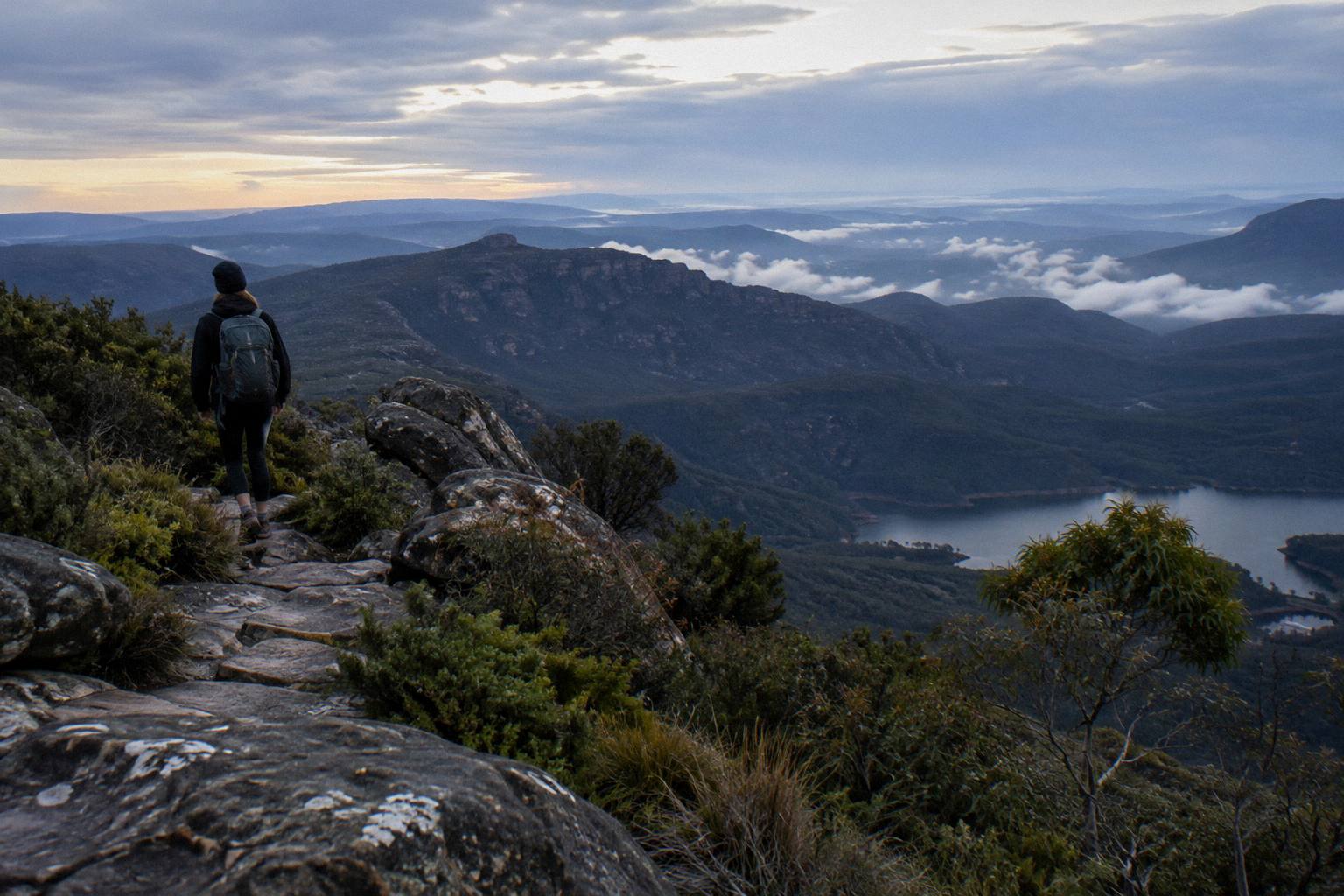
Brambuk has long been the closest thing the region has to a front door for its living culture: a building created for the Traditional Owners as a place to present their own heritage, attached to the national park's information function in Halls Gap. Its upgrade is part of a wider period of renewal across the park, which also includes the Mackenzie Falls revitalisation works described above and the phased reopening of sites after the 2024 to 25 bushfires. Visitors arriving in Halls Gap will find the village functioning normally as a base, with the Park Information Centre open for park questions, but the cultural centre experience itself is unavailable, and no phone number, opening hours or exhibit description is published here because none can be relied on while works are underway.
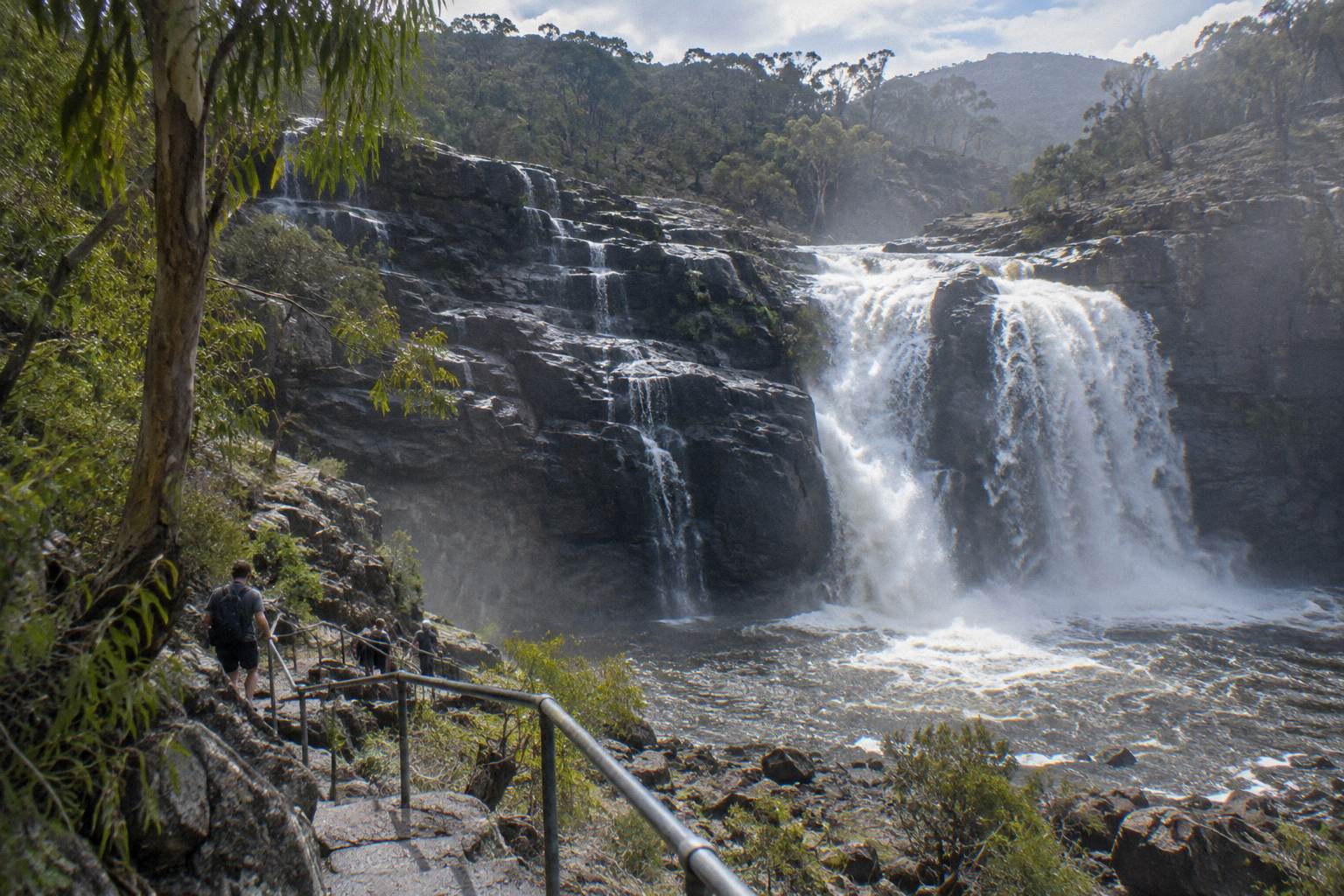
This closure creates a real gap for travellers whose main interest is cultural, and it is better to say so plainly than to paper over it. Some operator pages still describe a Brambuk visit as part of their itinerary, a leftover from before the works; those descriptions should not be read as a promise. Tour itineraries change by conditions, and the operator confirms the stops on your departure. If a Brambuk stop matters to you, ask the operator directly before booking whether their current route still includes a stop at the site, and what that stop involves while the cultural centre itself is shut.
For now, the practical substitute is the park itself, experienced with your ears open. The Visitor Information Centre handles park questions; walking tracks, lookouts and the village of Halls Gap carry the visit; and guides vary in how much cultural context they weave into a day. A reasonable strategy is to pair a general scenic or hiking tour with your own reading from official sources, rather than to wait for a cultural product that is not currently on sale. The guide to Brambuk and rock art tours covers the state of that whole topic in more depth.
Between them, these options still deliver the park: Go West's eco day trip runs 13 hours from Melbourne with CBD hotel pickup and carries a 4.9 rating from 816 reviews, the deepest review pool of any tour covered here, alongside lookouts at Reeds and Boroka and a Silverband Falls stroll listed by the operator.
Do Any Grampians Tours Include A Cultural Experience?
No tour covered by this site lists an Aboriginal cultural experience, a rock art visit or a guided culture session in its itinerary. The products here are wildlife, hiking, scenic, private and multi-day coach tours that travel through Gariwerd and stop at lookouts, walks and towns. Some operator pages still carry older Brambuk mentions, which should be read as historical text rather than a promise. Ask operators directly what their guides cover.
Saying that plainly is not a knock on the tours. A well-run hiking or wildlife day in Gariwerd is a day in a cultural landscape, and many guides speak to that. But a tour listing that promises a cultural experience is a different product from one that promises lookouts and wildlife, and conflating the two sets up false expectations. The split looks like this, drawn only from what each listing actually states:
| Tour (decision name) | Operator | Duration | What the listing covers | Rating |
|---|---|---|---|---|
| Go West Eco Day, Hotel Pickup | Go West Tours | 13 hours | Lookouts at Reeds and Boroka, Silverband Falls stroll, Halls Gap, CBD hotel pickup | 4.9 from 816 reviews |
| Wildlife Day, Morning Tea Included | Wildlife Tours Australia | 13 hours | Wildlife focus with morning tea, minimum age 6 | 4.6 from 129 reviews |
| Autopia Small-Group Escape, Hiking | Autopia Tours | 12 hours 30 minutes | Hiking and wildlife, max 23 passengers, minimum age 6 | 4.9 from 200 reviews |
| Waterfalls Hike, 4 To 11 Guests | Hike & Seek | 12 hours | Waterfall hikes in small groups of up to 11 | 4.9 from 82 reviews |
| Wildlife Tours 2-Day Roundtrip | Wildlife Tours Australia | 2 days | Great Ocean Road and Grampians, Halls Gap overnight, minimum age 6 | 4.6 from 41 reviews |
Notice what is absent from every row: a listed cultural stop. Notice also the pattern in the Mackenzie flags: several of these operators' own pages still describe a Mackenzie Falls walk, and the precinct is closed for construction, so the operator of your departure confirms the actual waterfall stop. The same logic applies to any older cultural wording. This is the single most useful habit for booking in Gariwerd right now: treat itinerary text as a starting point, then ask the operator what today's route includes.
How Should You Refer To The Park Respectfully?
Use the full dual name, Grampians (Gariwerd) National Park, when precision matters, and "Gariwerd" or "the Grampians" in casual use; both are accepted, and Parks Victoria itself uses both. Say that the Traditional Owners are the Jardwadjali and Djab Wurrung peoples when you want to name them, and spell Gariwerd and the peoples' names correctly. The dual name reflects a formal recognition of ongoing connection to country, represented by the Barengi Gadjin, Eastern Maar and Gunditj Mirring corporations.
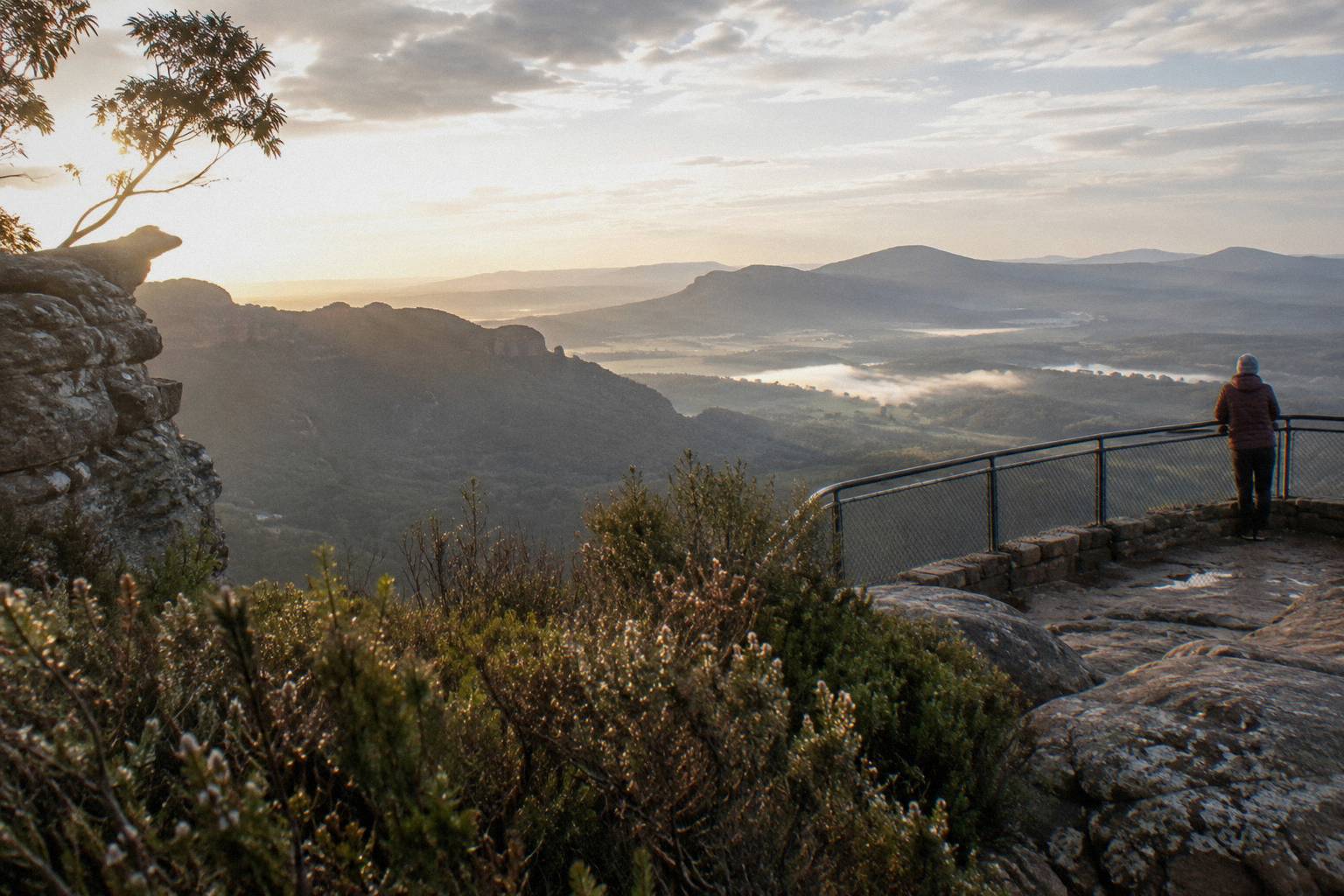
In practice, respectful usage is mostly a matter of a few small habits. Write the dual name when you are being formal, in an essay, a booking note or anything official. Say either name comfortably in conversation; locals, operators and agencies use both every day. If you name the peoples, use Jardwadjali and Djab Wurrung as Parks Victoria spells them, and use the park's other Traditional names as they appear on official pages: Migunang wirab for Mackenzie Falls, Duwul for Mount William, Mura Mura for Mount Zero. These names appear on signage and official material across the park, and using them signals that you have paid attention to whose country you are on.
The deeper etiquette is behavioural rather than lexical. Do not touch rock art or shelters if you encounter them, do not remove anything from the landscape, follow the park rules Parks Victoria publishes, and do not feed wildlife. If a guide shares cultural knowledge, receive it as something given rather than something owed. None of this requires booking a cultural product; it just requires treating Gariwerd as the living place it is. The name is the invitation; the behaviour is the respect.
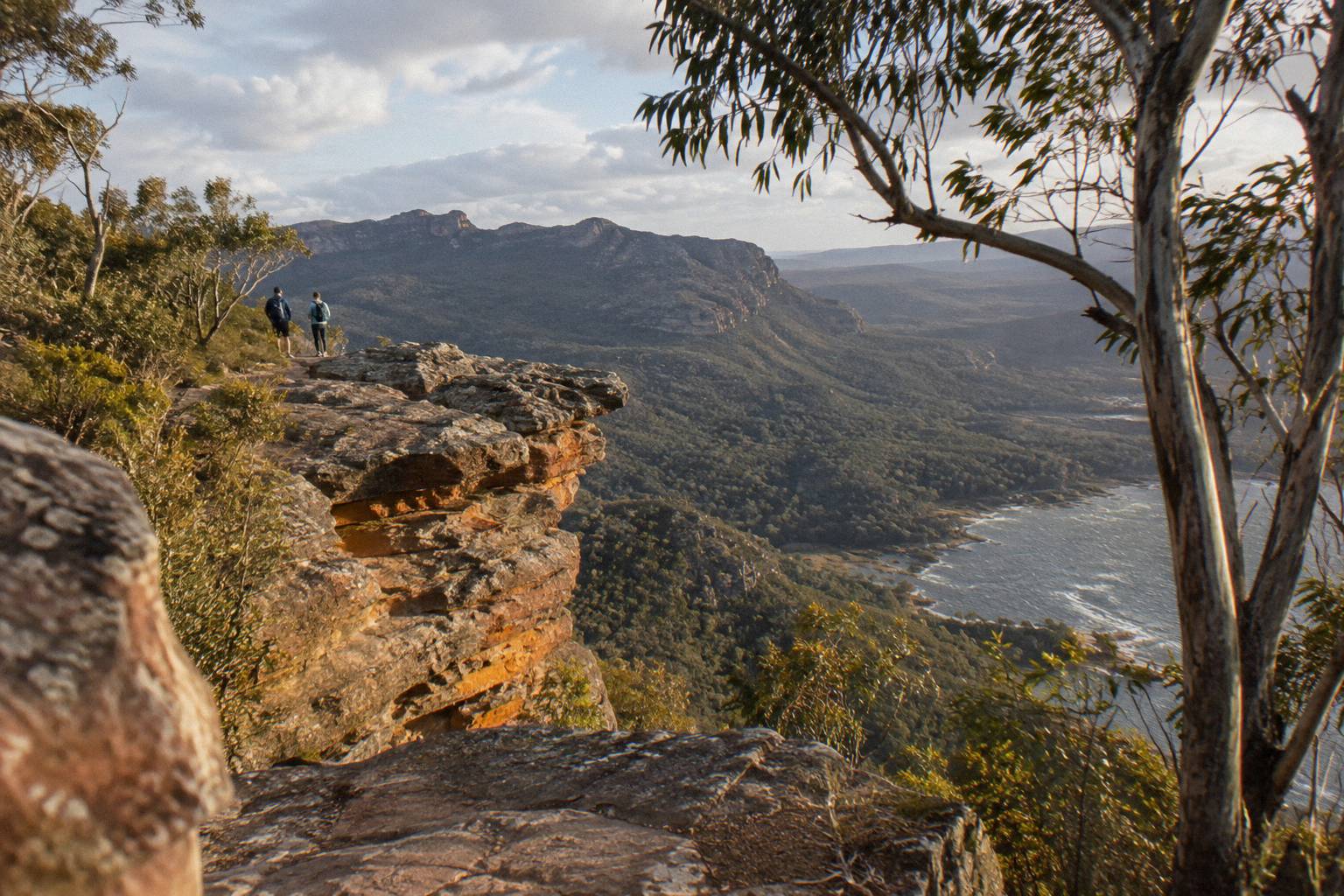
One place the name choice shows up practically is in searching and booking. Tours are sold under "Grampians" headings almost universally, because that is the name the travel industry grew up with, while official park information, closures and track status live under the dual name on the Parks Victoria site. A traveller who knows both names searches both, and finds both the commercial options and the official conditions, which matters in a park where fire days, roadworks and construction projects genuinely change what a visit looks like. The Grampians fire and closure updates page explains that machinery in detail.
The Wildlife Tours 2-Day Roundtrip is an example of the genre: two days from Melbourne along the Great Ocean Road into the Grampians with a Halls Gap overnight and a minimum age of 6, rated 4.6 from 41 reviews. It is a scenic and wildlife product, sold as such, and it travels through Gariwerd without listing a cultural component.
What Trips People Up When Visiting Gariwerd
The most common mistakes are expecting a Brambuk visit that cannot happen, assuming rock art sites are a drop-in attraction, reading older operator itineraries as promises, and skipping the Parks Victoria check on the day. The Brambuk Cultural Centre is closed for upgrades, no tour here lists a cultural stop, and fire days and construction change routes without much notice. One direct question before booking, what does this departure actually include, avoids nearly all of it.
Each of those mistakes deserves a sentence of its own. Expecting Brambuk: the cultural centre is shut, the Park Information Centre is open, and operator pages that still mention a Brambuk stop are describing a route that may have changed. Assuming rock art access: sites exist, the park holds the largest concentration of ancient rock art in southern Australia, but access is managed by Parks Victoria with the Traditional Owner corporations, and no tour here covers it. Believing old itineraries: Mackenzie Falls is closed for construction, so any listing that still describes a falls base walk is out of date, and the operator picks the waterfall stop by conditions. Skipping the day-of check: Catastrophic Fire Danger days close the whole park, gravel roads carry caution and closure notices, and mobile coverage is unavailable in many areas, so the check happens before you lose signal.
The booking-side traps are smaller but real. Minimum ages differ by product: several tours here require children to be 6 or over, while others do not state an age policy at all, not stated means ask the operator rather than assume young children are welcome. Meeting points vary across Melbourne, from CBD hotel pickups to the Immigration Museum corner and Federation Square, and a tour that starts at 7:35 am from outside a specific street corner leaves no slack for a wrong assumption. Prices vary by date and group, so check the booking page rather than any remembered figure. And if a multi-day option tempts you, note that every multi-day tour here lists a Halls Gap overnight, which makes the village a sensible place to book your own extra night on either side; the where to stay in Halls Gap guide lays out the options.
For deeper planning, Grampians National Park Tours is the site this article belongs to, and it carries the full set of guides on hiking, wildlife, lookouts and touring the park. The questions below close out the ones readers ask most.
Common Questions About The Grampians Name And Cultural Tours
What Are The Grampians Called Now?
The official name is Grampians (Gariwerd) National Park, a dual name used by Parks Victoria on all official material. Gariwerd is the Traditional Owners' name for the place; the peoples named on the Parks Victoria site are the Jardwadjali and Djab Wurrung, represented by the Barengi Gadjin, Eastern Maar and Gunditj Mirring Aboriginal corporations.
Can You Visit Rock Art Sites In The Grampians?
The park holds the largest number of significant and ancient Aboriginal rock art paintings and shelters in southern Australia, per Parks Victoria. Access is managed by Parks Victoria with the Traditional Owner corporations and changes with conditions, especially after the 2024 to 25 bushfires. Check Parks Victoria for current access; no tour on this site includes a rock art visit.
Is The Brambuk Cultural Centre Open?
No. The Brambuk Cultural Centre in Halls Gap is closed to the public for upgrade works, while the Park Information Centre remains open. Brambuk was built in 1989 and opened in 1990 for the Jardwadjali and Djab Wurrung peoples. No reopening date is confirmed; check Parks Victoria for current status.
Do Grampians Tours Include Aboriginal Cultural Experiences?
No tour covered by this site lists a cultural experience, a rock art visit or a guided culture session. The products here are wildlife, hiking, scenic, private and multi-day tours through Gariwerd. Guides may share cultural context, which varies by operator; ask before booking if that matters to you.
Which Name Should I Use, Grampians Or Gariwerd?
Use the full dual name, Grampians (Gariwerd) National Park, for precision, and either short name in casual use; Parks Victoria uses both. If you name the Traditional Owners, spell Jardwadjali and Djab Wurrung as the official pages do.