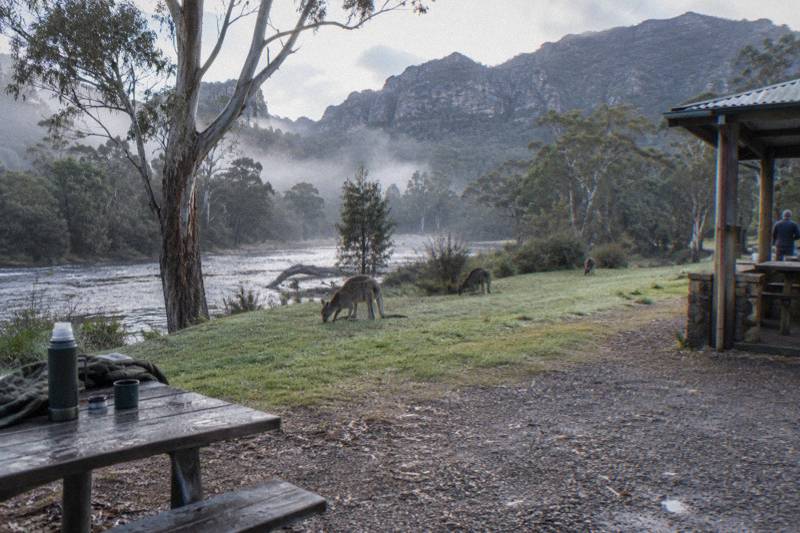
What Wildlife Can You See On A Grampians Tour?
Kangaroos, wallabies, emus, koalas and native birds: what Parks Victoria says lives in Grampians (Gariwerd) National Park and which tours stop for wildlife.
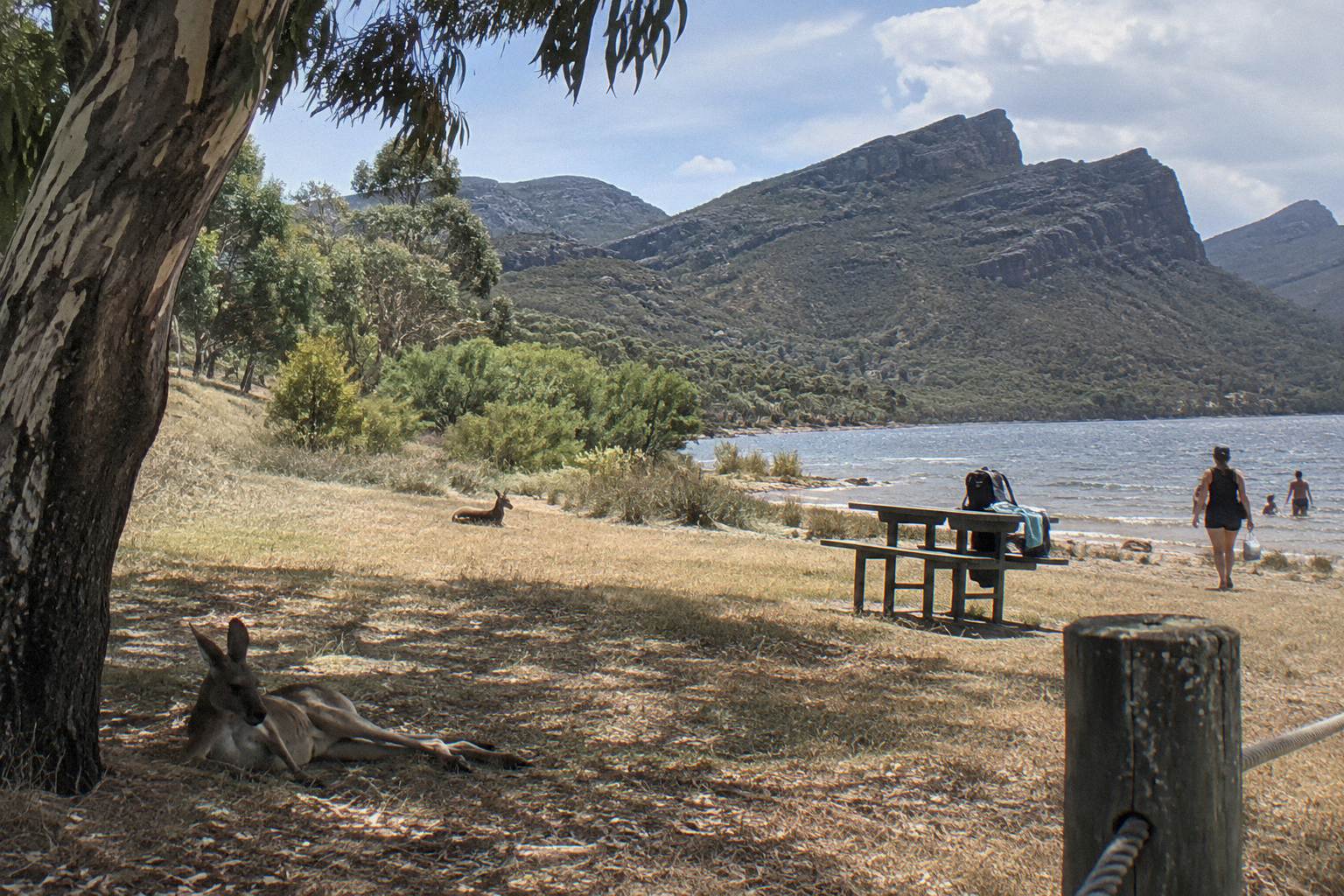
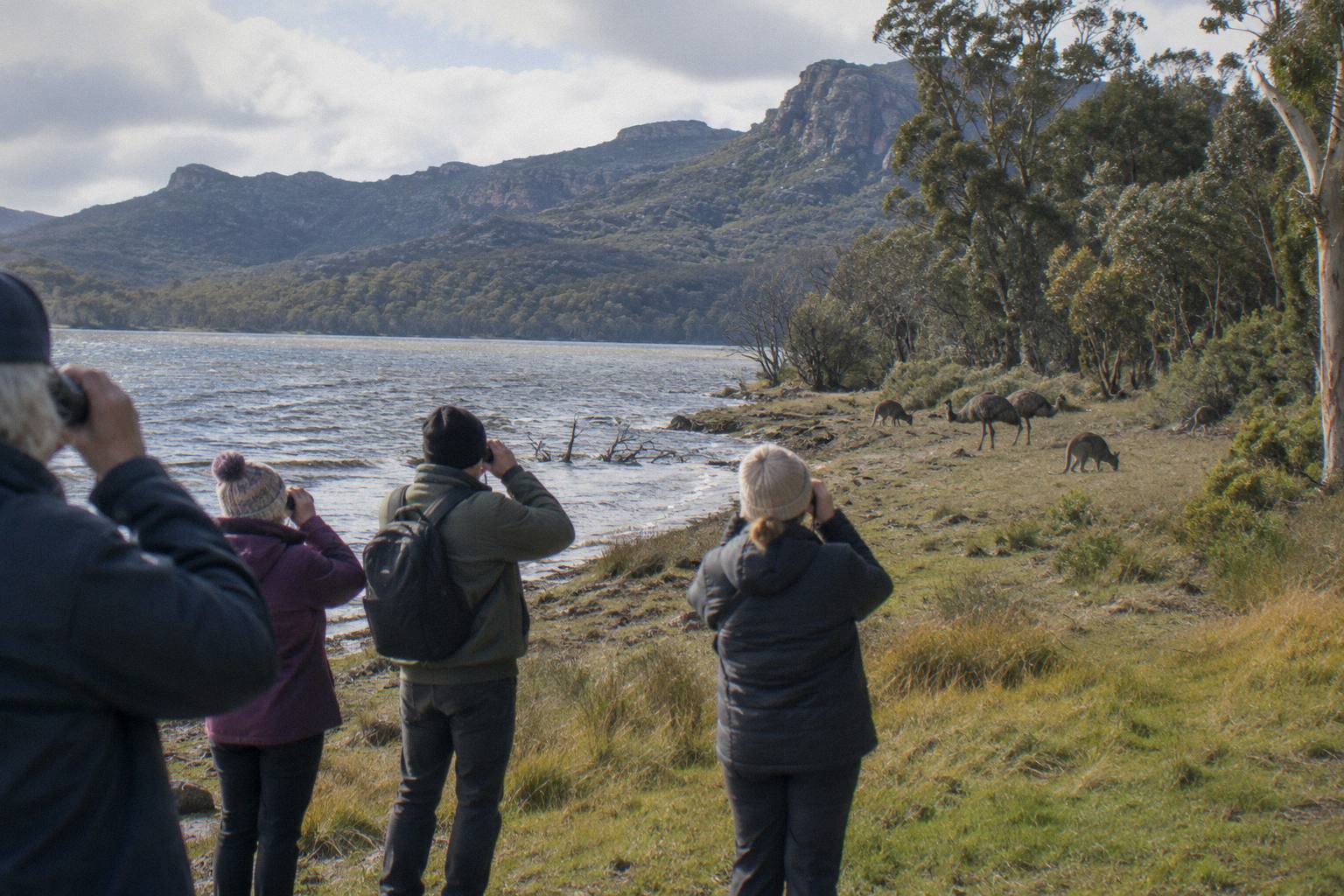
The animals Parks Victoria names for the park are kangaroos, wallabies, emus and native birds, and its visitor guide counts about 40 mammal species, 30 reptiles, 11 amphibians and six native fish across the park. The Pinnacle walks page adds koalas, kangaroos, snakes, skinks and maybe even an echidna. No tour promises a sighting: what a guided day gives you is a driver who knows where these animals are usually found and stops for them, weather and conditions permitting. For most visitors kangaroos are the headline sighting, and the guide to which Grampians day tours stop for kangaroos explains how to choose an itinerary built around finding them.
That distinction matters more here than on most park trips. Wildlife in Grampians (Gariwerd) National Park is abundant but not scheduled, and any operator that guarantees an animal encounter is overstepping what Parks Victoria itself publishes. The framing, and the one the tours on this site use, is that the park is home to a long list of species and that operators say they stop for wildlife where the day allows.
The wildlife-led options differ mainly in how much of the day is shaped around animals. Wildlife Day, Morning Tea Included from Wildlife Tours Australia runs 13 hours from Melbourne and carries morning tea, with a minimum age of 6. Go West Eco Day, Hotel Pickup covers 13 hours with hotel pickups from the CBD. Wildlife Tours 2-Day Roundtrip stretches the same operator's approach across two days with a Halls Gap overnight. Prices vary by date and group, so check the booking page for each. Once the tour side is sorted, the guide to free lookouts, walks and wildlife around Halls Gap shows how to fill the rest of the trip without spending anything.
One closure note before the animals: Mackenzie Falls, a spot several older itineraries referenced, is closed for construction at its visitor precinct. Parks Victoria's Mackenzie Falls revitalisation project page states there is no access to the car park, the day visitor area or any walk starting at the precinct, and no access to the bottom of the falls. Tour itineraries change by conditions and the operator confirms the stops on the day.
Which Animals Does Parks Victoria Actually List For The Park?
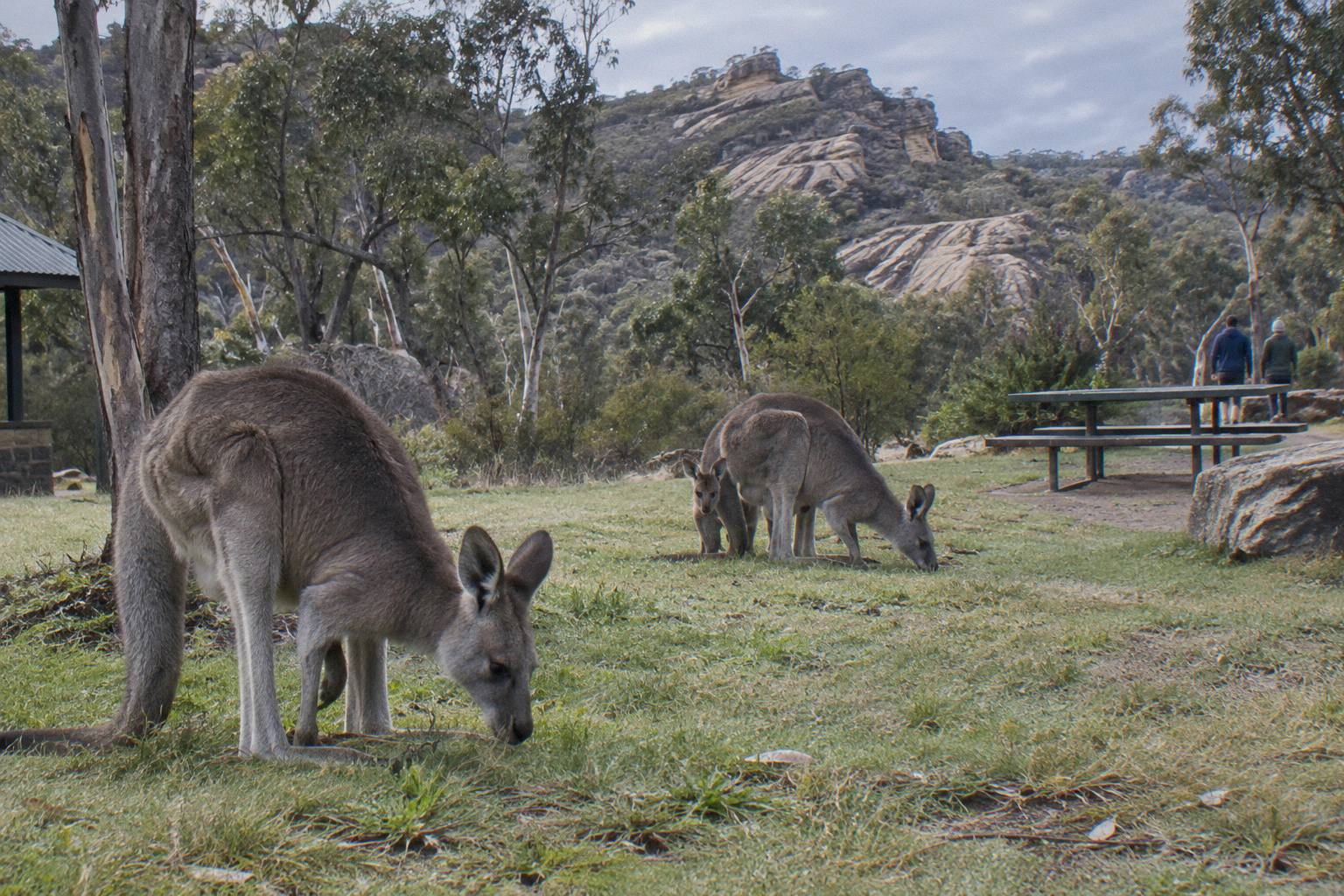
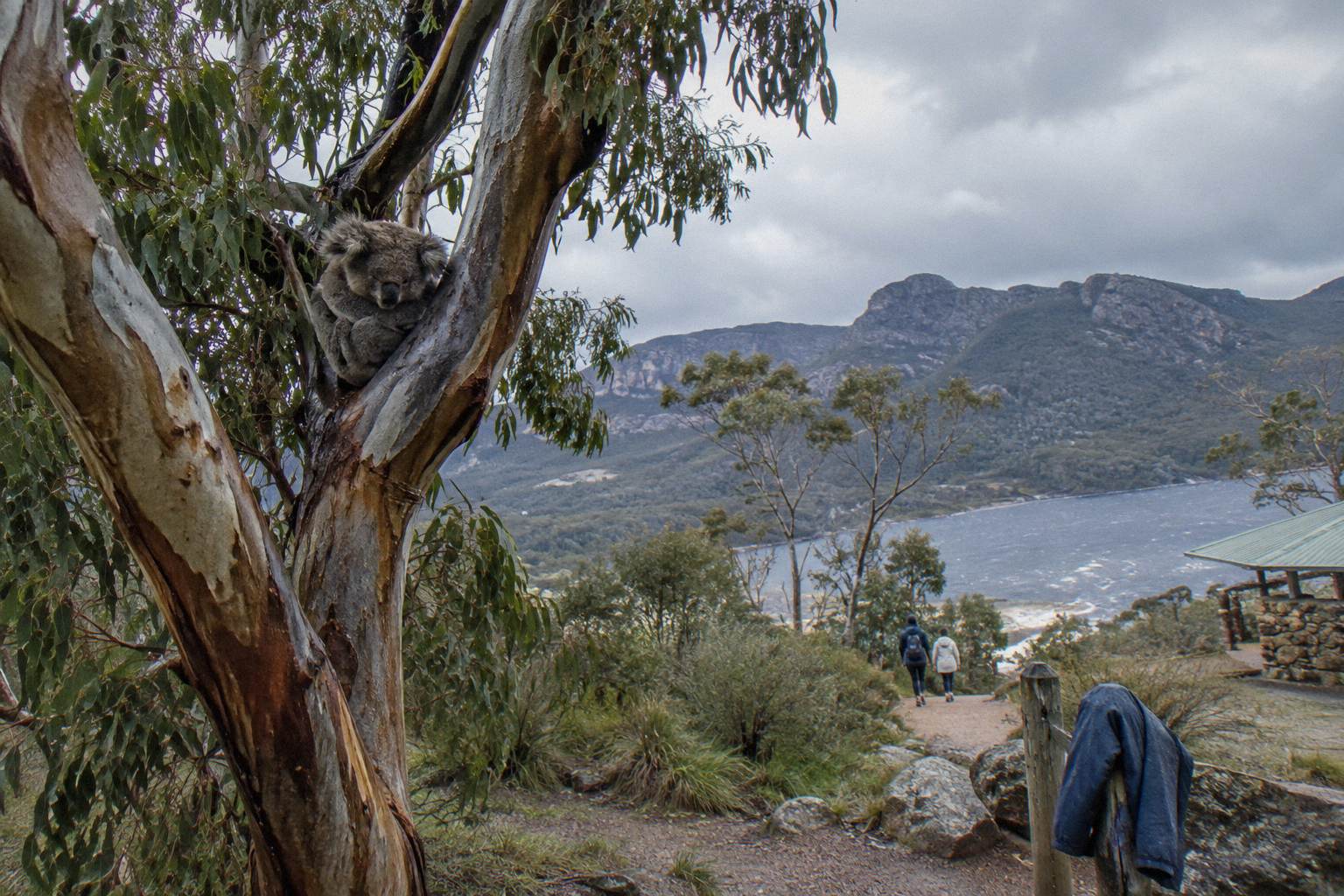
Parks Victoria's park page names kangaroos, wallabies, emus and native birds, and its visitor guide broadens the picture to about 40 mammals, 30 reptiles, 11 amphibians and six native fish, plus 50 threatened species. Named threatened species include the Brush-tailed Rock-wallaby, the Smoky Mouse and the Powerful Owl. The Pinnacle walks page separately mentions koalas, kangaroos, snakes, skinks and maybe even an echidna.
Those two lists do slightly different jobs. The park page describes what a visitor on a scenic stop or a short stroll has reasonable cause to expect in the landscape: macropods on grassy flats, emus moving through open woodland, birds across the canopy and shrub layer. The visitor guide counts the full species tally, most of which a day visitor will never consciously register, from small nocturnal mammals to fish in the park's lakes and reservoirs.
| Category | Count per Parks Victoria visitor guide | Named examples from official pages |
|---|---|---|
| Mammals | About 40 | Kangaroos, wallabies, koalas, echidna, Smoky Mouse, Brush-tailed Rock-wallaby |
| Reptiles | 30 | Snakes, skinks |
| Amphibians | 11 | Not individually named |
| Native fish | 6 | Not individually named |
| Threatened species | 50 | Brush-tailed Rock-wallaby, Smoky Mouse, Powerful Owl |
| Birds | Listed, no count | Native birds, Powerful Owl |
The threatened-species list is worth understanding rather than treating as a checklist. Fifty threatened species is a large number for a single national park, and it is part of why the park carries the protections it does. The Brush-tailed Rock-wallaby in particular is a recovery story rather than a likely sighting, and no tour on this site claims to show you one. The Powerful Owl is nocturnal, which puts it outside the hours of every day tour listed here.
Reptiles sit somewhere in between. Thirty reptile species include the snakes Parks Victoria's Pinnacle page mentions, and skinks are common enough that the page names them casually alongside koalas and echidnas. A guided tour adds no special protection here and no special access; the value is in the stops themselves, at places where animals are habituated to people at a distance.
For the practical side of where these animals fit into a guided day, the companion piece on wildlife tours in the Grampians walks through the same tours in more structural detail.
Where Do Tours Actually Stop For Wildlife?
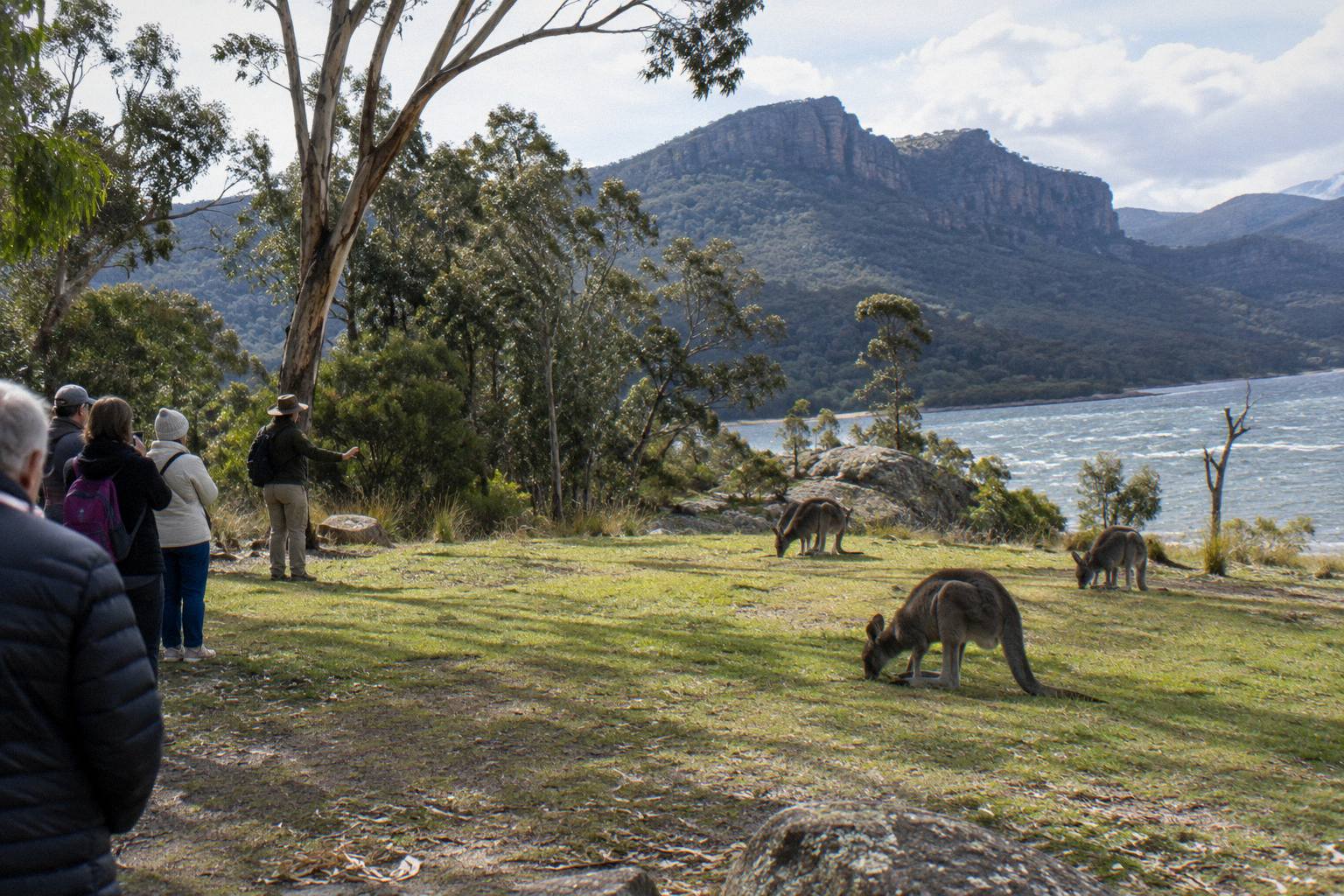
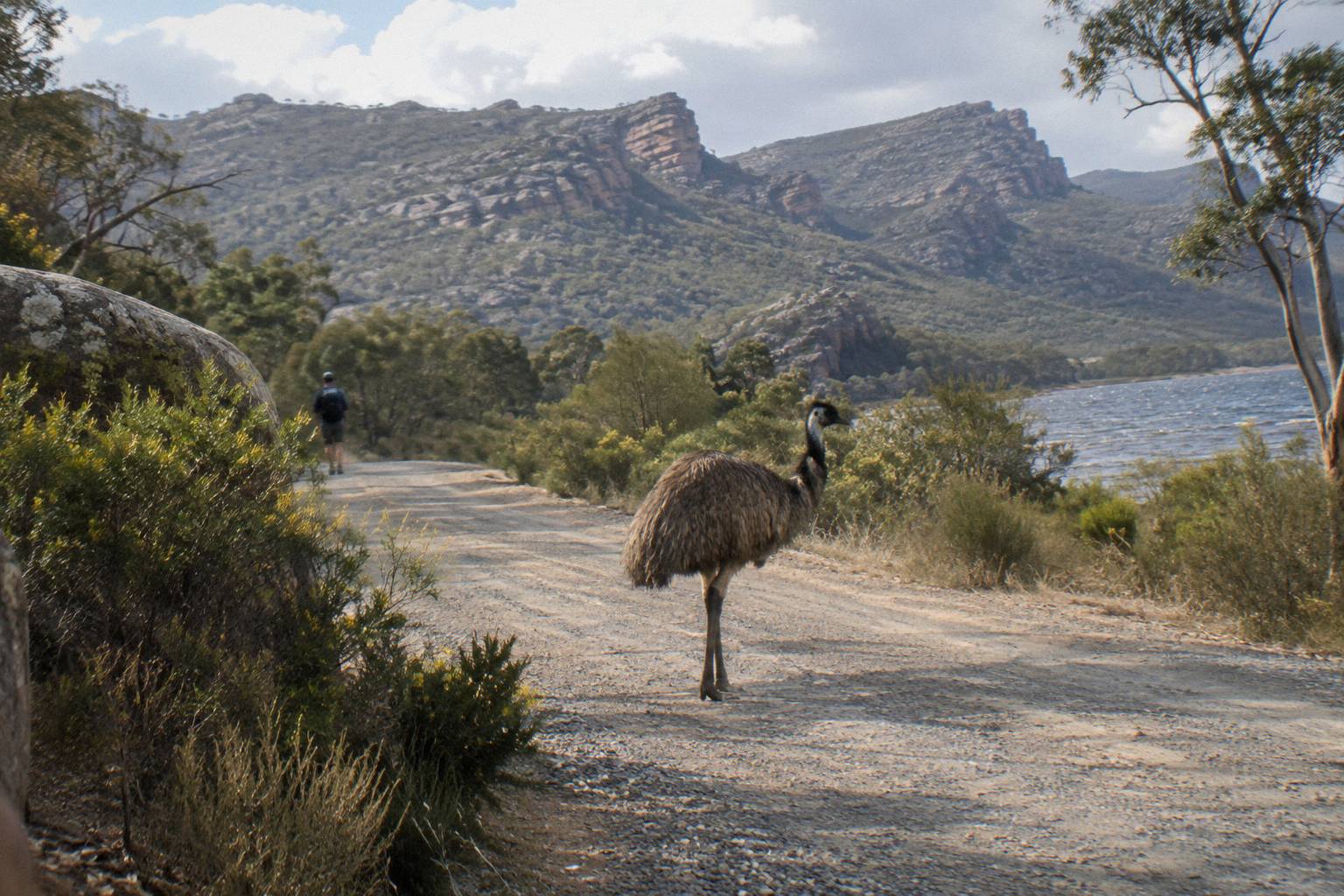
Tours stop for wildlife at the open grasslands and roadside clearings around Halls Gap, at lookouts reachable in a standard day tour vehicle, and on the short walks operators list for each itinerary. Go West's own page lists a Silverband Falls stroll plus Reeds and Boroka Lookouts and time in Halls Gap; Wildlife Tours Australia and Wild Side Melbourne list wildlife stops on their itineraries. Operators say they stop for animals where the day allows, and no stop is guaranteed.
The pattern across the day tours is that wildlife viewing is woven into scenic stops rather than staged as a separate event. A lookout pause doubles as a chance to watch the grass below the escarpment. A short walk doubles as a pass through bird habitat. The 13-hour runtime of the Melbourne day tours exists partly to make those pauses possible without rushing; a three-hour drive each way leaves a long middle block in the park.
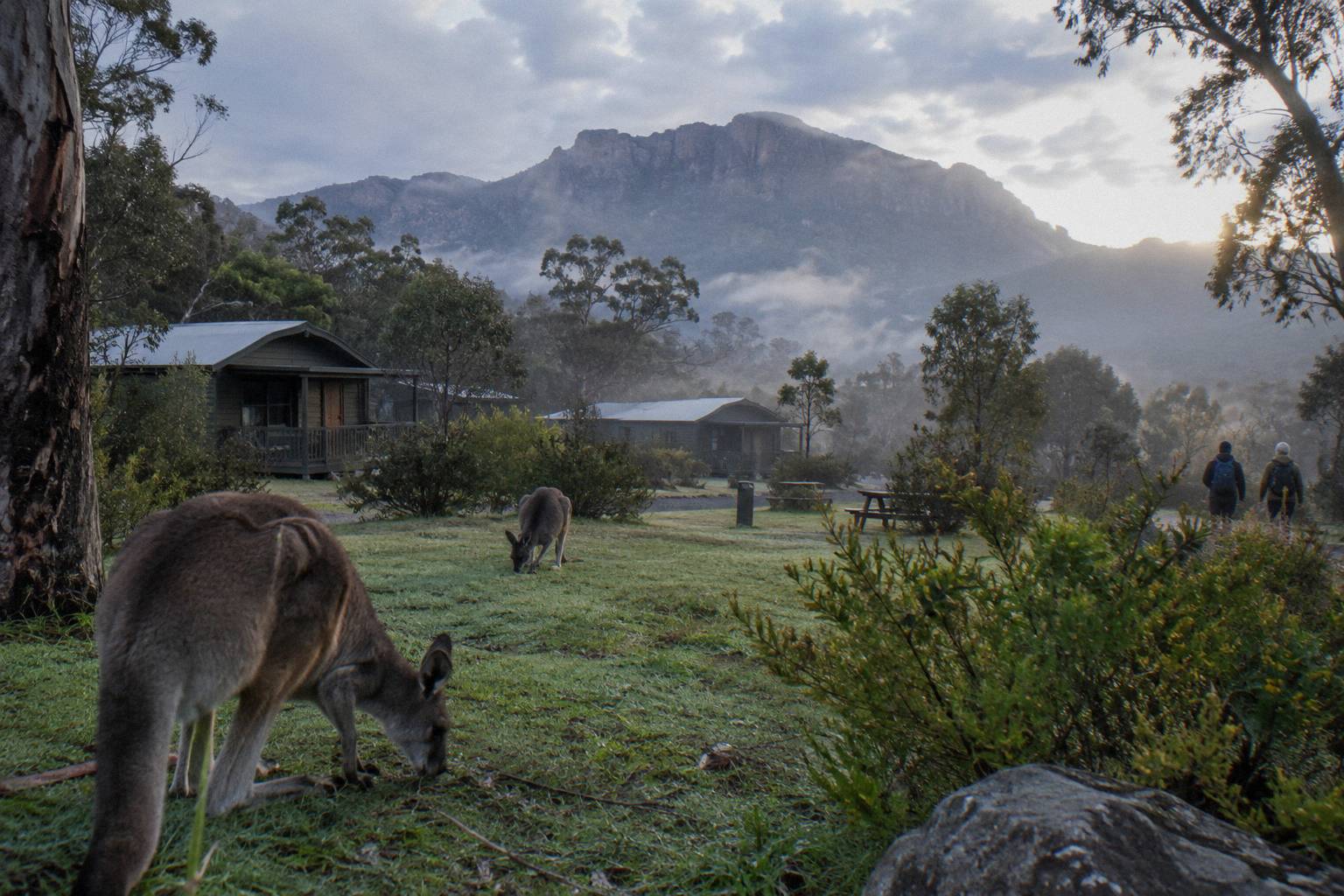
Halls Gap itself functions as an informal wildlife stop. Parks Victoria accesses the park from Halls Gap and Wartook, and the village sits in a valley where macropods move through open ground near the road. Tours that pause in town, as Go West's does, are pausing in one of the places animals are most used to people. Whether the Pinnacle routes and specific lookouts are open on a given day is never a given: check Parks Victoria on the day, and its what's open in the Grampians page tracks phased reopenings after the 2024 to 25 bushfires, which affected over 135,000 hectares in the central, west and south-eastern sections of the park.
The table below sets out where each wildlife-relevant tour starts, how long it runs, and what is actually stated about its stops, so you can weigh the shape of the day rather than the marketing.
| Tour | Operator | Duration | Starts | Stated stops and inclusions |
|---|---|---|---|---|
| Wildlife Day, Morning Tea Included | Wildlife Tours Australia | 13 hours | Immigration Museum, Melbourne | Morning tea, minimum age 6 |
| Go West Eco Day, Hotel Pickup | Go West Tours | 13 hours | Melbourne CBD hotel pickups | Silverband Falls stroll, Reeds and Boroka Lookouts, Halls Gap, Ballarat morning tea |
| Small-Group Hike And Wildlife, 12 Hours | Wild Side Melbourne | 12 hours | Federation Square, Melbourne | Hiking and wildlife itinerary |
| Autopia Small-Group Escape, Hiking | Autopia Tours | 12 hours 30 minutes | Immigration Museum, Melbourne | Morning tea, waterfall stop chosen by conditions, min age 6 |
| Waterfalls Hike, 4 To 11 Guests | Hike & Seek | 12 hours | 180 St Kilda Rd, Melbourne | Hiking itinerary, group of 4 to 11 |
Ratings for these, where they exist: Wildlife Day, Morning Tea Included rates 4.6 from 129 reviews, Go West Eco Day 4.9 from 816 reviews, Autopia Small-Group Escape 4.9 from 200 reviews, and Waterfalls Hike 4.9 from 82 reviews. Wild Side Melbourne's hike carries no printable rating. Never read those numbers as a wildlife guarantee; they reflect whole-day experiences, of which animals are one part.
How Do The Wildlife-Led Day Tours Differ?
Wildlife Day, Morning Tea Included is the most explicitly wildlife-branded day tour from Melbourne, running 13 hours with morning tea and a minimum age of 6. Go West Eco Day, Hotel Pickup runs the same 13 hours with CBD hotel pickups and a lookouts-and-Halls-Gap itinerary. Small-Group Hike And Wildlife, 12 Hours trades runtime for a smaller-group hiking format. None prints a price: all vary by date and group, so check the booking page.
The way to choose among them is by the shape of the day you want, not by animal claims, since no operator promises a sighting. Wildlife Tours Australia's product puts wildlife in its name and its morning tea in the price structure; the itinerary is the operator's to confirm. Go West's page is unusually specific about its stops, naming Silverband Falls, both major lookouts, Halls Gap and a Ballarat morning-tea break, which makes it easy to picture the day before booking. One caution applies to both: where an operator's page still describes a falls walk, remember the Mackenzie precinct is closed and itineraries change by conditions.
Wild Side Melbourne's 12-hour product suits a traveller who wants the wildlife stops attached to a more walking-heavy day, and its Federation Square start point is a different meeting option for anyone staying east of the CBD. Hike & Seek's Waterfalls Hike, 4 To 11 Guests caps the group at 11, which is the smallest stated ceiling among the day tours here, and starts from St Kilda Road.
If you want to compare the full field, including the hiking-focused and private options, the broader guide to Grampians tours from Melbourne lays out every category side by side, and the piece on small group tours in the Grampians looks specifically at group size.
Wildlife Day, Morning Tea Included is a reasonable default for a first-time visitor whose main interest is animals: 4.6 from 129 reviews is a substantial pool, the minimum age of 6 makes it workable for families, and 13 hours allows unhurried stops. You can also check availability for your dates before comparing further.
Does The Season Change What You See?
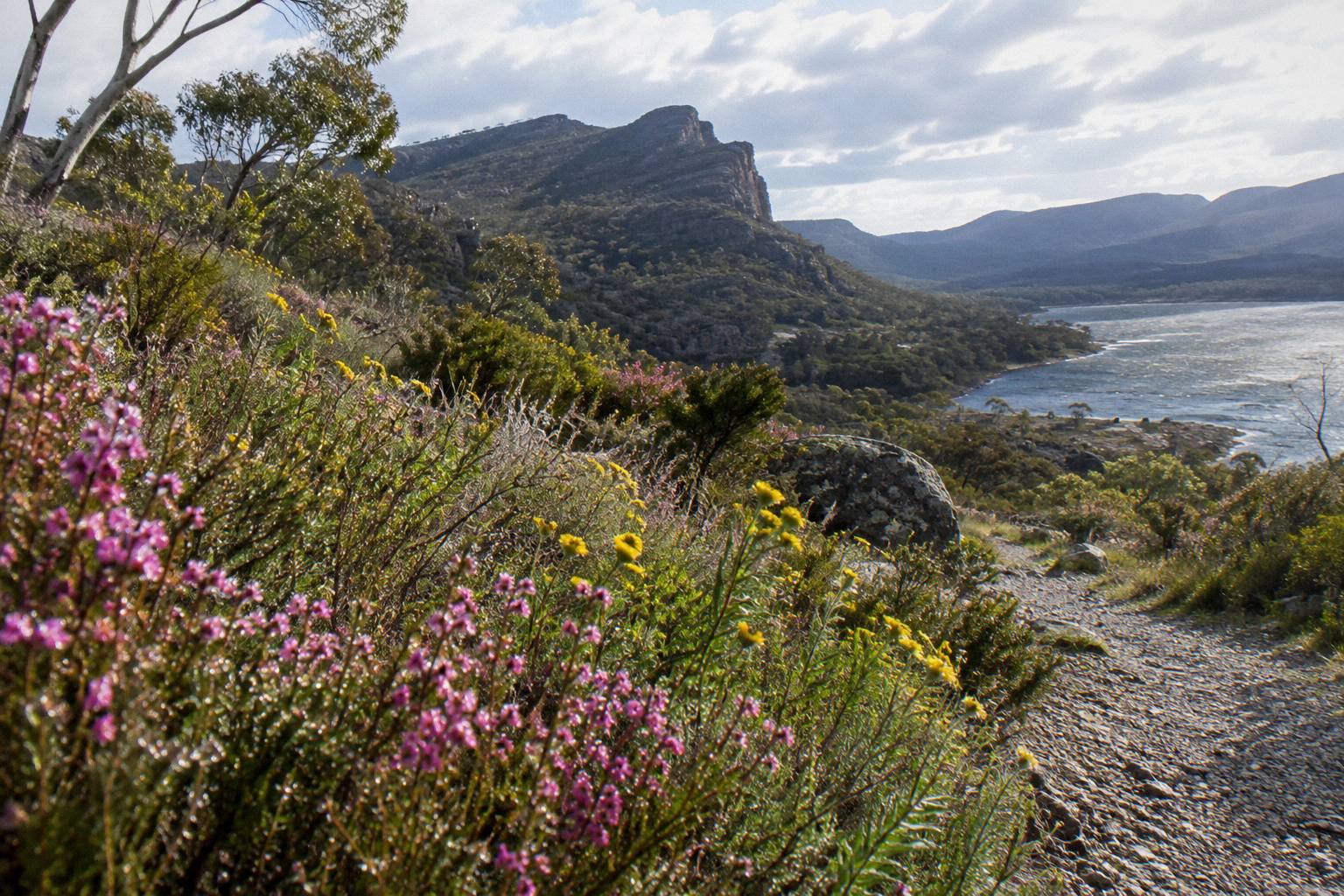
Parks Victoria gives no best-month guidance for wildlife and no sighting patterns by season, and this site prints none either. The only seasonal facts stated by official sources are spring wildflower displays, which the park page describes as dazzling, and summer fire-danger days, which can close the park entirely and change or cancel tours. Tours run on each operator's schedule: check with the operator for your dates.
That is a deliberately thin answer, and it is thin because inventing a wildlife calendar would be exactly the kind of unsourced claim that misleads people planning a trip. What can be said is structural. The park's animals do not migrate away; kangaroos, wallabies and emus are present year-round, and the birds are resident. What changes across the year is the conditions around viewing, from heat to track status after the 2024 to 25 fires. The full index of guides sits on Grampians National Park Tours.
Spring is the one season Parks Victoria singles out, and it does so for flora rather than fauna: the park page promises dazzling spring wildflower displays, and wildflowers draw insects and birds, which in turn shape where the birdlife is. That is an ecological observation, not a published one, so treat it lightly. The verifiable statement is the wildflower line alone, with no month range.
Summer cuts the other way. On Catastrophic Fire Danger Rating days Parks Victoria closes the park for public safety, no fires may be lit on Total Fire Ban days, and the Mackenzie Falls precinct also closes on the worst fire-danger days. A tour booked for such a day is governed by the operator's own cancellation rule, which for the Autopia day tour is free cancellation up to 24 hours before, in writing. Check emergency.vic.gov.au, the VicEmergency app or the hotline 1800 226 226, and read the companion piece on what happens when a Grampians tour is cancelled for weather or fire.
What Are The Rules Around Wildlife On Tour?
Parks Victoria's visitor guide prohibits feeding wildlife anywhere in the park and bars dogs and domestic pets entirely, with on-lead dogs allowed at Plantation Campground only. Campfires are allowed only in the steel fireplaces provided, swimming is permitted at Lake Bellfield and Lake Fyans but not at Mackenzie Falls, and drone rules are not stated plainly here: check Parks Victoria before flying one. Hunting, firearms, generators and chainsaws are not permitted.
For a tour passenger, most of these rules never bite, because the operator handles the logistics. Two matter directly. The first is feeding: no matter how tame the kangaroos near Halls Gap appear, feeding wildlife is against park rules, and a good guide will say so. The second is the pet rule, which matters for anyone travelling with a dog and assuming a day tour or a self-drive add-on can include it. It cannot, outside the single campground exception.
The swimming rule catches people who pair a wildlife day with a swim plan. Lake Bellfield and Lake Fyans are the designated swimming areas; Mackenzie Falls is not, and in any case its precinct is closed for construction, with the return walk from Zumsteins Picnic Area to Fish Falls the only stated falls-area option. Mobile coverage is unavailable in many areas of the park, so sort pickups and meeting points before you lose signal.
None of the tours on this site is a kayaking or fishing product, though Parks Victoria lists kayaking, canoeing and fishing at Lake Wartook, Lake Bellfield and Moora Moora Reservoir for independent visitors. If animals on the water appeal more than animals on the grass, those are self-organised activities around a tour stay, not add-ons a day tour provides.
Does A Two-Day Tour Improve The Wildlife Odds?
A two-day tour gives you more stops, not better odds per stop: Wildlife Tours 2-Day Roundtrip runs two days with a Halls Gap overnight and rates 4.6 from 41 reviews, while Autopia 2-Day To Adelaide rates 4.9 from 29 reviews and ends in another city. No operator promises that an overnight raises the chance of any particular animal, and the second day follows the same conditions-driven logic as the first.
The real argument for two days is time distribution. A 13-hour day tour spends roughly six hours of that driving to and from Melbourne, leaving a compressed park block. A 2-day itinerary spreads the scenic and wildlife stops across two daylight windows in the Halls Gap area, and the overnight in Halls Gap puts you inside the valley rather than viewing it on a schedule. Both multi-day products listed here include that Halls Gap overnight, with a minimum age of 6.
The two named options serve different trips. Wildlife Tours 2-Day Roundtrip returns to Melbourne, keeping your transport simple. Autopia 2-Day To Adelaide travels via the Great Ocean Road and finishes in Adelaide, which suits a one-way itinerary between the two cities. A fuller comparison, including the three-day variants, sits in the guide to Grampians 2-day tours. On the Wildlife Tours multi-day listings that carry the flag, the dorm fare is for adults 18 and over.
One honesty note on the small pool: the 4.0 from 10 reviews on Wildlife Tours 3-Day Roundtrip is a small sample, and this site states it plainly rather than dressing it up. A rating from ten trips tells you far less than one from 816, whatever the number itself is.
Common Mistakes When Choosing A Wildlife Tour
The common mistakes are booking on a promised animal rather than on the stops and format, ignoring the Mackenzie Falls closure when reading older itinerary text, assuming operator rules transfer between tours, and expecting a rating to describe the wildlife rather than the whole day. Each one is avoidable with a plain question to the operator before you book.
The first mistake is the seductive one. No tour here, and no page Parks Victoria publishes, promises you a kangaroo, a koala or an emu. The park is home to them, operators stop where they are usually seen, and that is the whole of the claim. A booking page that goes further is claiming something even the park manager does not.
The second is reading itineraries as fixed contracts. Several operator pages still describe a Mackenzie Falls walk from before the precinct closed; the operator picks the waterfall stop by conditions and confirms the stops, and asking which falls a departure visits is a fair pre-booking question. The same applies to lookouts and tracks after the fires: many sites have reopened in phases, so check Parks Victoria on the day.
The third is rule transfer. Autopia's day-tour rules, the Tuesday, Wednesday, Friday and Sunday schedule, the 24-hour free cancellation and the 23-passenger maximum, belong to that day tour only, not to its multi-day products, and never to other operators. Go West's page states no age limit or cancellation terms at all, so ask rather than assume. And the fourth mistake, reading a 4.9 as a wildlife score, is simply a category error: reviews grade the day, the guide and the lunch as much as the animals.
Book with the stop list, the duration, the start point and the group cap in view, and the wildlife becomes what it is in the park itself: a strong likelihood, framed by rules and conditions, never a promise.
Common Questions About Grampians Tour Wildlife
What Wildlife Can You See On A Grampians Tour?
Parks Victoria lists kangaroos, wallabies, emus and native birds for the park, and the Pinnacle walks page mentions koalas, snakes, skinks and maybe even an echidna. The visitor guide counts about 40 mammals, 30 reptiles, 11 amphibians and six native fish. No tour promises a sighting; operators stop where these animals are usually found.
Are Kangaroos Guaranteed On A Grampians Tour?
No. No operator on this site and no Parks Victoria page guarantees any animal. The park is home to kangaroos and wallabies and tours stop in areas where they are usually seen, but weather, conditions and the animals themselves decide.
Can You See Koalas In The Grampians?
Parks Victoria's Pinnacle walks page mentions koalas among the animals on those routes. Sightings are never promised, and whether any Pinnacle track is open on a given day is checked with Parks Victoria on the day.
Which Tour Is Best For Wildlife?
Wildlife Day, Morning Tea Included is the most explicitly wildlife-branded day tour from Melbourne: 13 hours, morning tea included, minimum age 6, rated 4.6 from 129 reviews. Go West Eco Day, Hotel Pickup runs 13 hours with hotel pickups. Prices vary by date and group, so check the booking page.
Can You Feed Or Pat The Animals?
Feeding wildlife is prohibited by Parks Victoria's visitor guide for the whole park. Tours observe animals at a distance, and patting is not part of any listed itinerary.
Does A Longer Tour Mean More Wildlife?
A two-day tour such as Wildlife Tours 2-Day Roundtrip gives you more stops and a Halls Gap overnight, not a better chance at any single animal. The second day follows the same conditions as the first, and no operator promises otherwise.